
Compare Local Contractors for Residential Air Testing Services
Compare local contractors for residential air testing to clarify scope, verify experience, and set clear expectations before choosing the right service provider.
Residential air testing services typically involve evaluating indoor air quality and identifying potential sources of pollutants within a home. This work may include measuring levels of common airborne contaminants such as mold spores, volatile organic compounds (VOCs), allergens, and other particles that can affect health and comfort. Contractors may also assess ventilation systems, check for moisture issues, and perform specific tests to detect hidden sources of indoor air issues. Understanding the scope of these services helps property owners determine what types of testing are necessary to address their concerns effectively.
Defining the scope of residential air testing is essential because it ensures that the right assessments are performed to meet specific needs. Clear communication about what is included-such as the areas tested, types of pollutants measured, and follow-up recommendations-helps set accurate expectations. It also minimizes the risk of misunderstandings or incomplete evaluations. When engaging with contractors, property owners should ask detailed questions about what their testing covers and request written descriptions of the proposed work to ensure all parties agree on the scope before any testing begins.
Comparing local contractors for residential air testing involves evaluating their experience, reputation, and ability to meet defined needs. Property owners can benefit from researching each service provider’s background, asking about their familiarity with similar homes or issues, and verifying their approach to testing procedures. It’s also helpful to review how each contractor communicates their findings and recommendations, as well as how they document the scope of work in writing. By gathering this information, property owners can make informed decisions and select a service provider best suited to address their indoor air quality concerns reliably.
Compare local contractors by outlining your priorities, verifying their experience, and setting clear expectations in writing.
- Compare Contractor Credentials - Review the experience and reputation of local contractors to ensure reliable residential air testing services.
- Define Testing Scope Clearly - Establish specific testing requirements and expectations in writing to align service outcomes.
- Verify Service Experience - Confirm that local contractors have relevant experience handling residential air testing projects.
- Request Written Agreements - Ensure all scope details and expectations are documented in a formal agreement before work begins.
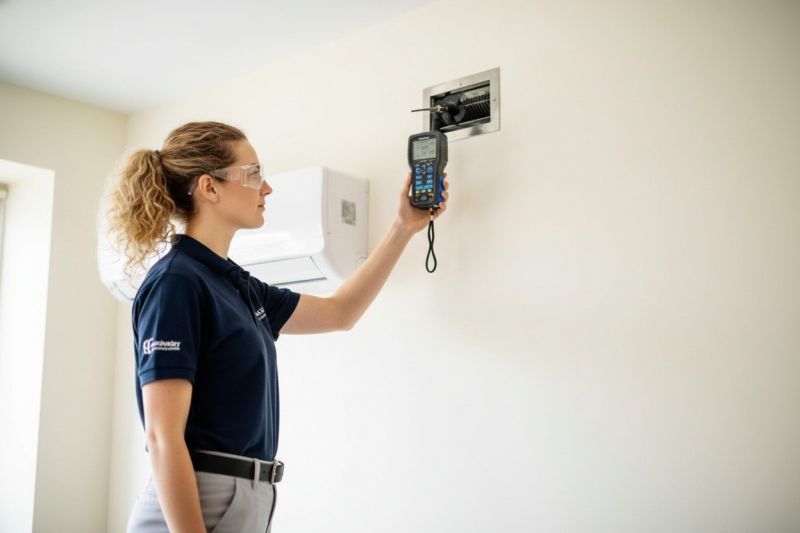
Compare local contractors by clearly describing your project, verifying their experience, and setting expectations in writing.
- Verify the contractor’s experience with residential air testing projects to ensure familiarity with local building codes and standards. - Consider how the service provider defines the scope of testing to match specific home requirements.
- Check that the contractor provides a clear written description of the testing procedures and expected outcomes. - Ensure all expectations are documented to prevent misunderstandings during the project.
- Assess whether the contractor uses appropriate testing equipment to accurately measure air quality and airflow. - Confirm that the tools and methods employed meet industry best practices for reliable results.
- Review the contractor’s process for identifying and addressing potential sources of air leaks or contamination. - Look for a detailed approach to pinpointing issues affecting indoor air quality.
- Compare how different service providers explain their testing process and the scope of work involved. - Focus on clarity and thoroughness in their descriptions to facilitate informed decisions.
- Ensure the contractor can provide references or examples of previous residential air testing projects. - Gathering feedback from past clients can help evaluate their experience and reliability.
Compare local contractors' experience and clarify scope to ensure effective residential air testing.
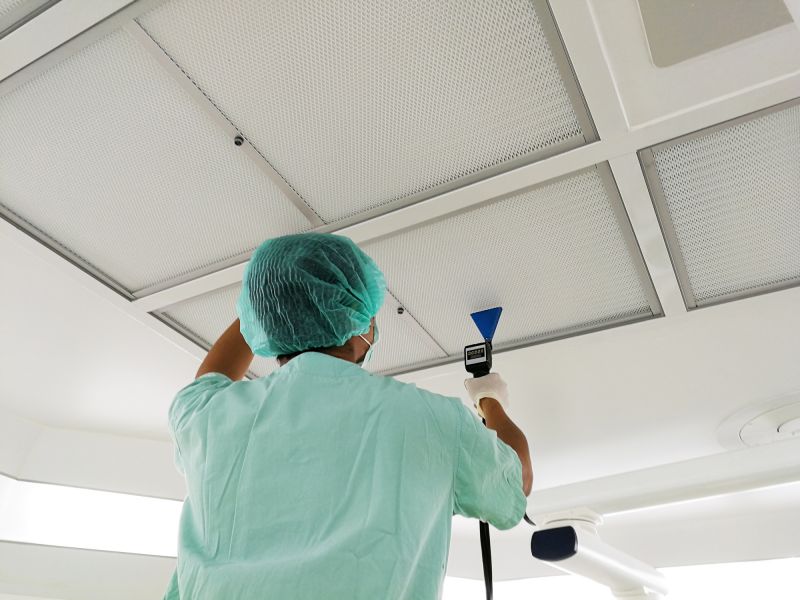


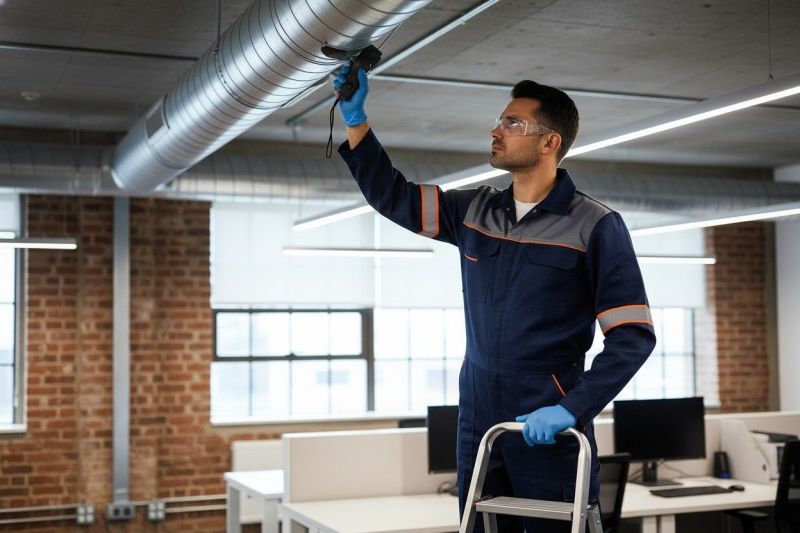
When comparing residential air testing contractors, ensure scope clarity, verify experience, and keep comparison criteria consistent.
- Scope Definition - Clearly outline the specific air testing services required for the residential property.
- Experience Verification - Confirm that the service providers have relevant experience in residential air testing procedures.
- Methodology Clarification - Specify the testing methods and standards that will be used during the assessment.
- Documentation Requirements - Ensure that all testing procedures and results will be provided in written reports for review.
- Scope Comparison - Use detailed descriptions to compare the scope of services offered by different local contractors.
When comparing contractors for residential air testing, it is important to consider their experience with similar projects. Service providers who have handled a variety of residential testing scenarios are more likely to understand the specific requirements and challenges of your home. Inquire about the types of properties they have worked on and whether they have experience with the size, layout, and features of your residence. A contractor's familiarity with comparable projects can help ensure they are well-equipped to deliver accurate and reliable results.
A clear, written scope of work is essential for setting expectations and ensuring clarity throughout the testing process. When evaluating different service providers, look for detailed descriptions of what the testing will include, what methods will be used, and what the deliverables will be. A well-defined scope helps prevent misunderstandings and provides a basis for assessing whether the contractor’s approach aligns with your needs. Avoid contractors who offer vague or overly broad descriptions, as this can lead to confusion or unmet expectations.
Verification basics involve understanding how a contractor plans to confirm the accuracy and reliability of the testing results. Effective service providers will outline their testing procedures, the equipment they use, and how they ensure quality control. They should be able to explain how they verify the integrity of their measurements and the steps they take to minimize errors. Asking about these verification practices can help determine whether a contractor’s approach is thorough and trustworthy, which is crucial for making informed decisions based on the test outcomes.
When evaluating options among local contractors, focus on comparing their experience, scope of work, and verification methods rather than price. Consider how well each service provider’s expertise matches your project’s needs, whether their scope of work is comprehensive and clearly documented, and if their verification practices meet your expectations for accuracy. Gathering this information allows for a more informed comparison, helping to identify the most qualified and reliable professionals to handle your residential air testing.
Ask contractors to provide written scope details to ensure clear expectations and consistent service.
- Experience and Qualifications - What experience do local contractors have with residential air testing projects similar to yours?
- Scope of Services - How do contractors define the scope of work and testing procedures to meet your specific needs?
- Testing Methods - What testing methods and equipment do service providers use, and how do they ensure accuracy?
- Scope Clarification - Can the contractor clearly explain what is included and excluded in their testing services?
- Documentation and Reporting - How do local contractors document and communicate test results, and can they provide written reports?
What should I consider when choosing a contractor for residential air testing? It's important to compare local service providers based on their experience, reputation, and the scope of services they offer to ensure they meet the specific needs of your home.
How can I verify a contractor's experience with residential air testing? You can review their previous work, ask for references, and check if they have relevant project history to confirm their expertise in residential air testing.
What questions should I ask a contractor before hiring for air testing services? Inquire about their process, the methods they use, what areas they will evaluate, and how they define the scope of testing to ensure clarity and comprehensive coverage.
Why is it important to have a written scope of work for air testing? A written scope helps set clear expectations, defines the specific tasks to be performed, and provides a reference point for the project's deliverables and responsibilities.
How do I compare different contractors for residential air testing? Review their experience, scope of services, reputation, and the clarity of their proposals to determine which provider aligns best with your needs.
What role does communication play when working with a contractor for air testing? Clear communication ensures that the scope, expectations, and any special considerations are understood and documented, helping to facilitate a smooth testing process.
This page has provided an overview of what to consider when selecting contractors for residential air testing. Visitors learned how to define the scope of work, verify the experience of service providers, and establish clear expectations in writing. These steps can help ensure a smooth process when comparing options and choosing a contractor suited to specific needs.
Using the quote form allows homeowners to connect with local contractors who can handle residential air testing. It offers an opportunity to gather information, compare services, and make informed decisions by reaching out to trusted service providers in the area.