
Compare Local Contractors for Wall Heating Installation Services
Compare local contractors to define project scope, verify experience, and set clear expectations for wall heating installation.
Wall heating installation typically involves the setup of systems designed to provide consistent and efficient warmth through wall-mounted units or embedded heating elements. This work can encompass various tasks, including assessing the property's heating needs, preparing walls for installation, selecting appropriate equipment, and ensuring proper connections to the existing electrical or plumbing systems. Proper installation is essential to maximize the effectiveness of the heating system, prevent issues like uneven heating or damage to walls, and ensure that the system operates safely within the space.
Defining the scope of wall heating installation projects is a crucial step that can influence the overall success of the work. Clear communication about what the project entails helps property owners understand what will be included, such as the number of heating units, wall preparation, wiring or plumbing modifications, and any additional features like thermostats or controls. Establishing detailed expectations in writing can prevent misunderstandings, ensure all parties are aligned, and provide a basis for evaluating whether a contractor’s proposal meets the specific needs of the property.
When comparing local contractors for wall heating installation, property owners should consider experience with similar projects, the range of services offered, and the clarity of the scope they provide. It’s beneficial to review how each service provider approaches planning and communication, including whether they offer detailed written proposals that outline work to be performed. Asking about previous experience, verifying references, and assessing how thoroughly they understand the project’s requirements can help property owners find contractors capable of delivering quality results aligned with their expectations.
Compare local contractors by outlining project priorities, verifying experience, and clearly defining scope and expectations in writing.
- Compare Contractor Credentials - Review the experience and qualifications of local contractors to ensure they meet your project requirements.
- Define Project Scope Clearly - Establish detailed expectations and work parameters before engaging with service providers.
- Verify Past Work and References - Assess previous installations or projects to gauge the quality and reliability of local contractors.
- Document Agreements in Writing - Ensure all project details, responsibilities, and expectations are outlined and agreed upon in a formal contract.
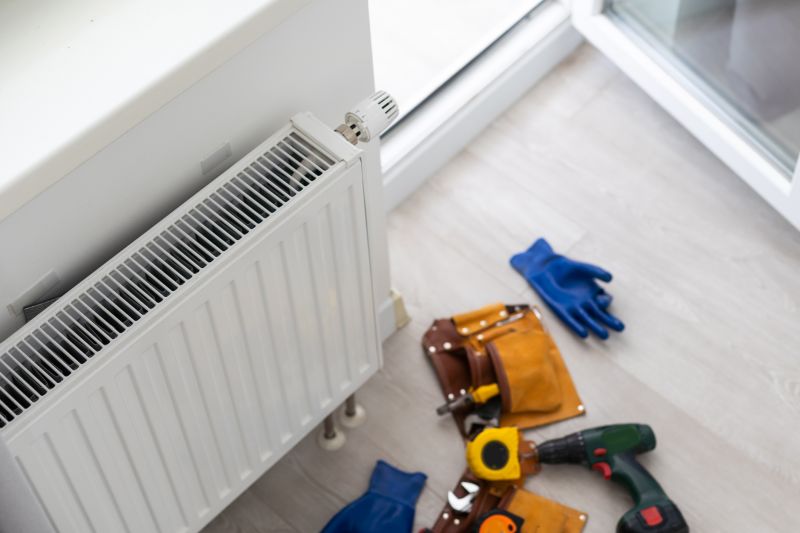
Clearly describe your wall heating installation project to effectively compare local contractors, verify experience, and set clear expectations in writing.
- Verify that the contractor has experience with wall heating system installations in similar spaces.
- Ensure the scope of work is clearly defined and documented in writing before starting the project.
- Compare multiple local contractors to assess their approaches and methods for wall heating installation.
- Ask service providers about their process for preparing walls and ensuring proper insulation and safety measures.
- Check that the contractor provides detailed explanations of the installation steps and materials used.
- Confirm that the contractor offers a written warranty or guarantee for the installation work performed.
Compare local contractors' experience and clarify project scope to ensure successful wall heating installation.
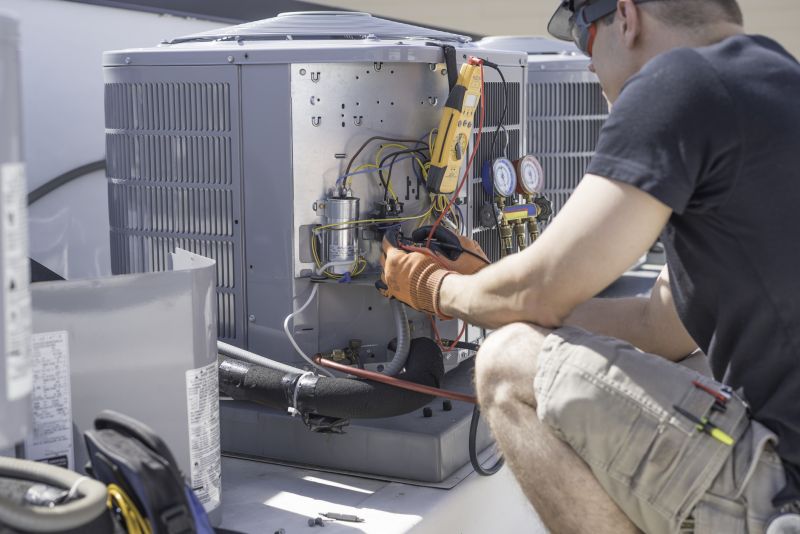
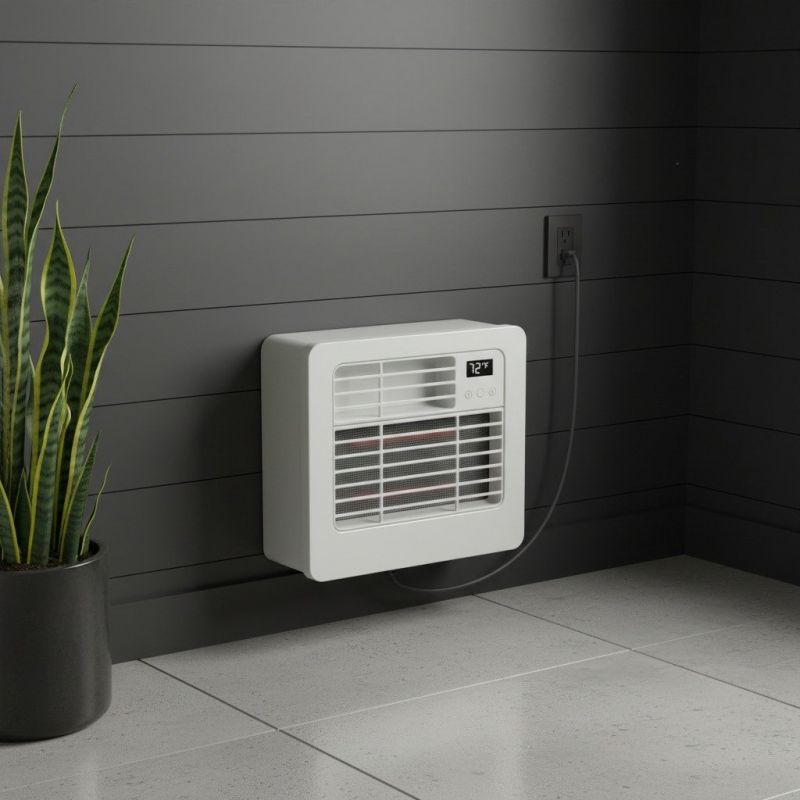
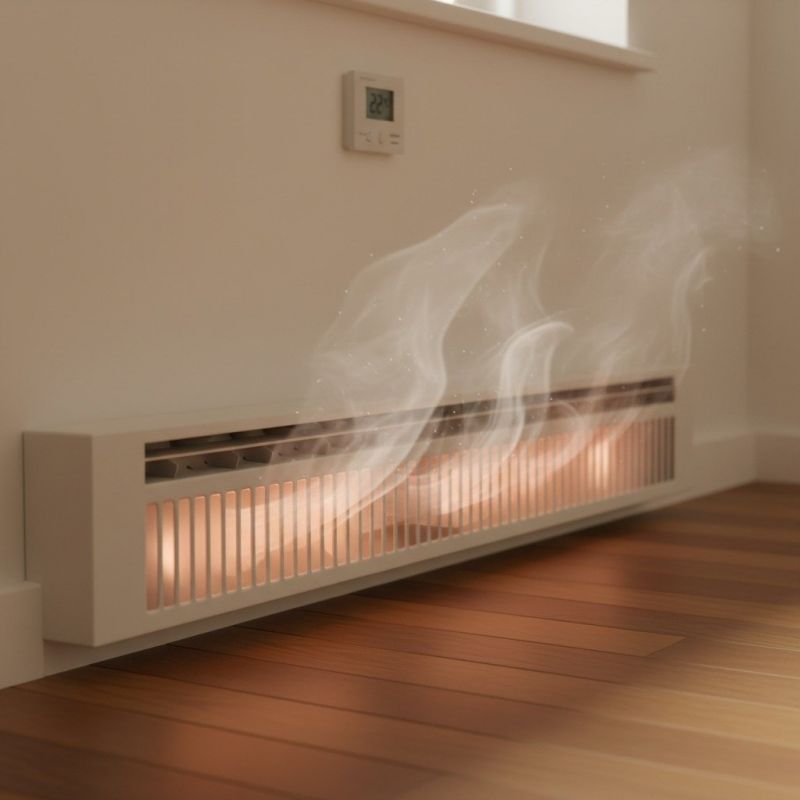
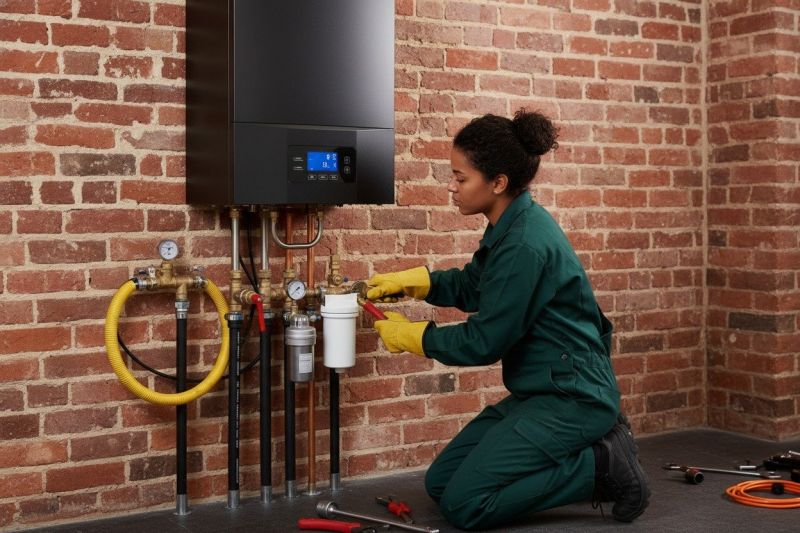
This scope builder helps compare wall heating installation contractors by defining work, verifying experience, and setting clear expectations.
- Define project scope - clearly outline the specific areas and rooms where wall heating systems will be installed.
- Assess existing infrastructure - evaluate current wall structures and electrical systems to determine compatibility with heating units.
- Verify experience and expertise - ensure local contractors have a proven track record with wall heating installation projects.
- Establish detailed expectations in writing - document the installation process, materials to be used, and any special requirements.
- Compare service providers - review qualifications, previous work, and customer feedback to select reliable local contractors.
When evaluating contractors for wall heating installation, it’s important to consider their experience with similar projects. Contractors who have completed numerous wall heating installations in homes comparable to yours are more likely to understand the unique challenges and requirements of your space. Ask service providers about their past work, including the types of systems they have installed and the environments they have worked in, to gauge their familiarity with your specific needs. This background can help ensure the chosen professional is well-equipped to handle the scope of your project effectively.
A clear, written scope of work is essential when comparing contractors. The scope should outline the specific tasks involved, materials to be used, and any expected deliverables. Having a detailed description helps prevent misunderstandings and sets realistic expectations for what the installation includes. When reviewing proposals or estimates, look for service providers who can provide comprehensive documentation that defines the work in detail. This clarity supports a smoother process and ensures everyone is aligned on the project’s objectives from the outset.
Verification basics involve confirming that service providers have the appropriate experience and a track record of successful wall heating installations. While licensing and certification are not discussed here, it’s useful to ask for references or examples of completed projects. Contact previous clients or review portfolios to gain insight into the contractor’s workmanship and reliability. Additionally, verify that the contractor adheres to safety standards and local building codes, even if not explicitly licensed, to help ensure the installation will meet necessary requirements and function properly over time.
When comparing options, focus on how well each contractor’s approach aligns with your project needs. Review the scope of work, experience, and references to assess their capabilities. Clarify any uncertainties in writing before proceeding, including details about the installation process, materials, and responsibilities. Avoid making judgments based solely on presentation or reputation; instead, evaluate the professionalism and thoroughness of their proposals. This careful comparison can help identify service providers who are best suited to deliver a quality wall heating installation tailored to your home.
Ask contractors to provide written scope details to ensure clear expectations and consistent project understanding.
- Experience and Qualifications - What specific experience do the contractors have with wall heating installation projects?
- Scope of Work - How will the service providers define and clarify the full scope of the wall heating installation?
- Comparison of Services - What differences should be considered when comparing the offerings of various local contractors?
- Project Expectations - How can the scope and process be documented clearly to set accurate expectations?
- Qualifications and References - What should be verified about a contractor’s background and references related to wall heating work?
How can I compare contractors for wall heating installation? Look for local service providers with experience in wall heating systems, review their credentials, and request detailed written scope of work to ensure clarity and consistency among options.
What should I consider when defining the scope of wall heating installation? Clearly outline the areas to be heated, the type of wall heating system preferred, and any specific installation requirements to help contractors provide accurate proposals.
How do I verify a contractor's experience with wall heating projects? Ask for references or examples of previous wall heating installations, and confirm that they have worked on similar systems to ensure familiarity with the process.
Why is it important to have the scope of work in writing? Having a detailed, written scope helps prevent misunderstandings, sets clear expectations, and provides a basis for comparing bids and ensuring all aspects of the project are covered.
What questions should I ask contractors before hiring for wall heating installation? Inquire about their experience with wall heating systems, request clarification on the scope of work, and ask how they handle unexpected issues during installation.
How can I ensure the contractor understands my specific needs? Communicate your preferences clearly, provide detailed descriptions of the areas to be heated, and confirm that these details are included in the written scope of work.
This page has outlined key steps to help compare contractors for wall heating installation, including defining the scope of work, verifying experience, and setting clear expectations in writing. By understanding these aspects, homeowners can make informed decisions when choosing service providers for their project. Using the quote form allows for easy comparison of local contractors, helping to identify options that meet specific needs and preferences.
Taking the time to evaluate local contractors ensures that the project is approached with clarity and confidence. The quote form offers a convenient way to connect with service providers in the area, making it easier to explore available options. This approach supports making well-informed choices tailored to individual project requirements.